
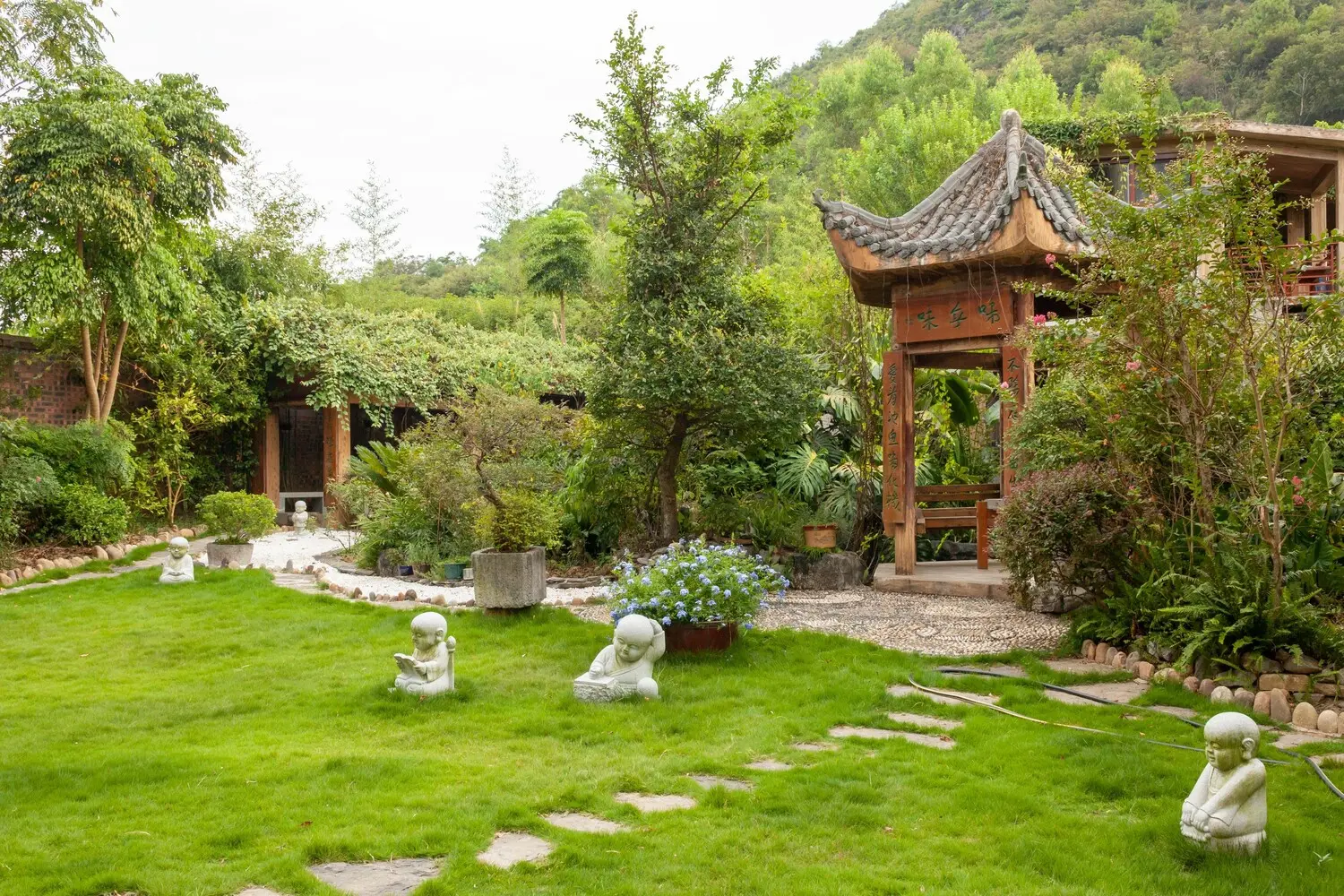
- Feng shui (风水, fēng shuǐ) means “wind-water” and is the Chinese art of arranging space to support the flow of qi (chi).
- It rests on three core ideas: the flow of chi, the balance of yin and yang, and the five elements (wood, fire, earth, metal, and water).
- The bagua map links eight areas of your home to life areas such as wealth, career, and relationships.
- Practical changes — decluttering, natural light, the command position, and balanced colors — matter more than expensive objects.
- Feng shui reaches back at least 3,000 years and is still used in China today for homes, offices, and choosing auspicious dates.
Putting feng shui (风水 fēng shuǐ) to work in your home is a practical process that goes far beyond decoration. This guide explains the core feng shui principles and gives you step-by-step ways to create a balanced, welcoming space that supports your goals.
Feng shui is one of the most recognizable parts of traditional Chinese culture, and you do not need to be an expert to start using it. If your goal is to Learn Chinese in China or simply bring a little Chinese tradition into your daily life, understanding feng shui is a rewarding place to begin.
01 What Is Feng Shui? Meaning, Origins, and Core Ideas
The word “feng shui” combines the Chinese words for wind (风 fēng) and water (水 shuǐ), and is often translated as “the way of wind and water.” It is an ancient Chinese philosophy built on the idea of harmonizing a space to bring positive energy to the people who live in it.
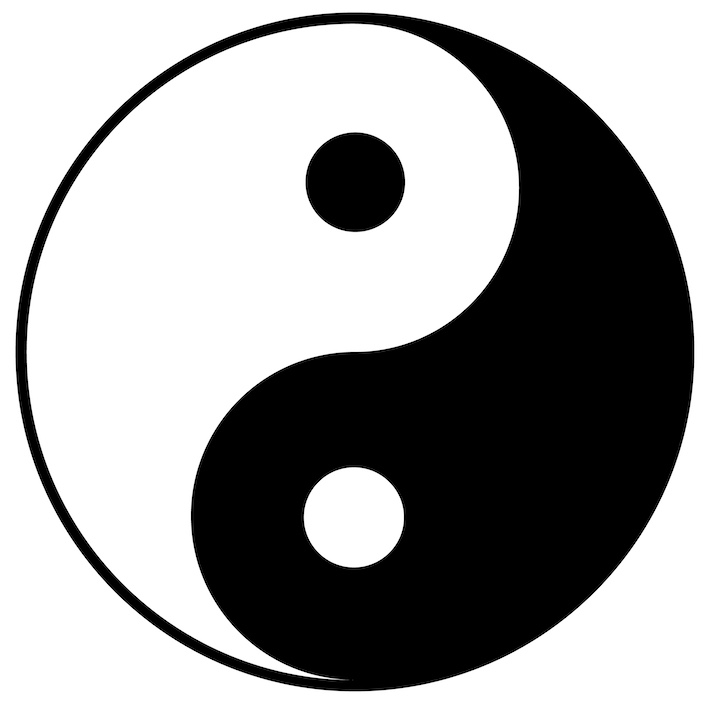
Feng shui grows out of the Daoist idea of yin and yang, two complementary forces that make up everything in the universe. Yang energy is traditionally seen as active and bright, while yin energy is seen as calm and receptive.
Together, yin and yang represent the balance of opposite forces in the natural world. Feng shui principles act as a blueprint for keeping these vital energies in harmony.
02 Feng Shui Basics: Chi, Yin and Yang, the Five Elements, and the Bagua Map
At its heart, feng shui is about harmonizing the energy in your environment to support well-being and good fortune. Four ideas do most of the work: chi, yin and yang, the five elements, and the bagua map.
What Is Chi (Qi) in Feng Shui?
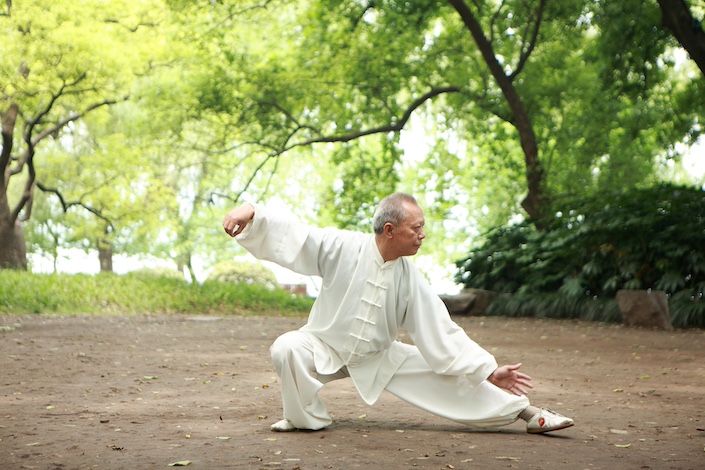
Chi (or qi) is the life force that flows through all living things. In feng shui, the smooth flow of chi shapes the energy and atmosphere of your home.
When chi flows freely, it encourages positivity, comfort, and a sense of balance. Many people connect this idea to traditional Chinese medicine, which also views health as a matter of balanced energy.
When chi becomes blocked or stagnant, it can create pockets of heavy, uncomfortable energy. Clutter, awkward furniture placement, and neglected corners are common culprits.
How to Improve the Flow of Chi in Your Home
To help chi flow, keep your home clean, organized, and thoughtfully arranged. Declutter regularly, keep pathways clear, and choose colors and materials that encourage movement.
Natural elements help too. Plants, water features, and natural light all bring freshness and vitality to a space.
Yin and Yang in Feng Shui: Balancing Opposite Energies
Yin and yang are the foundational dual forces in feng shui, representing the balance between opposites. In a home, balancing them creates a space that feels both peaceful and energizing.
What Is Yin Energy?
Yin is the calm, nurturing, introspective energy associated with darkness, coolness, and softness. It is often symbolized by water, earth, and the moon.
You can cultivate yin with soft, muted colors like blues, greens, and lavenders, and with plush textures such as velvet or cotton. These work well in bedrooms and relaxation areas.
Too much yin, however, can make a room feel cold, dark, or sluggish. Balancing it with some yang keeps the space lively.
What Is Yang Energy?
Yang is the bright, active, expansive energy associated with light, warmth, and movement. It is symbolized by the sun, fire, and wind.
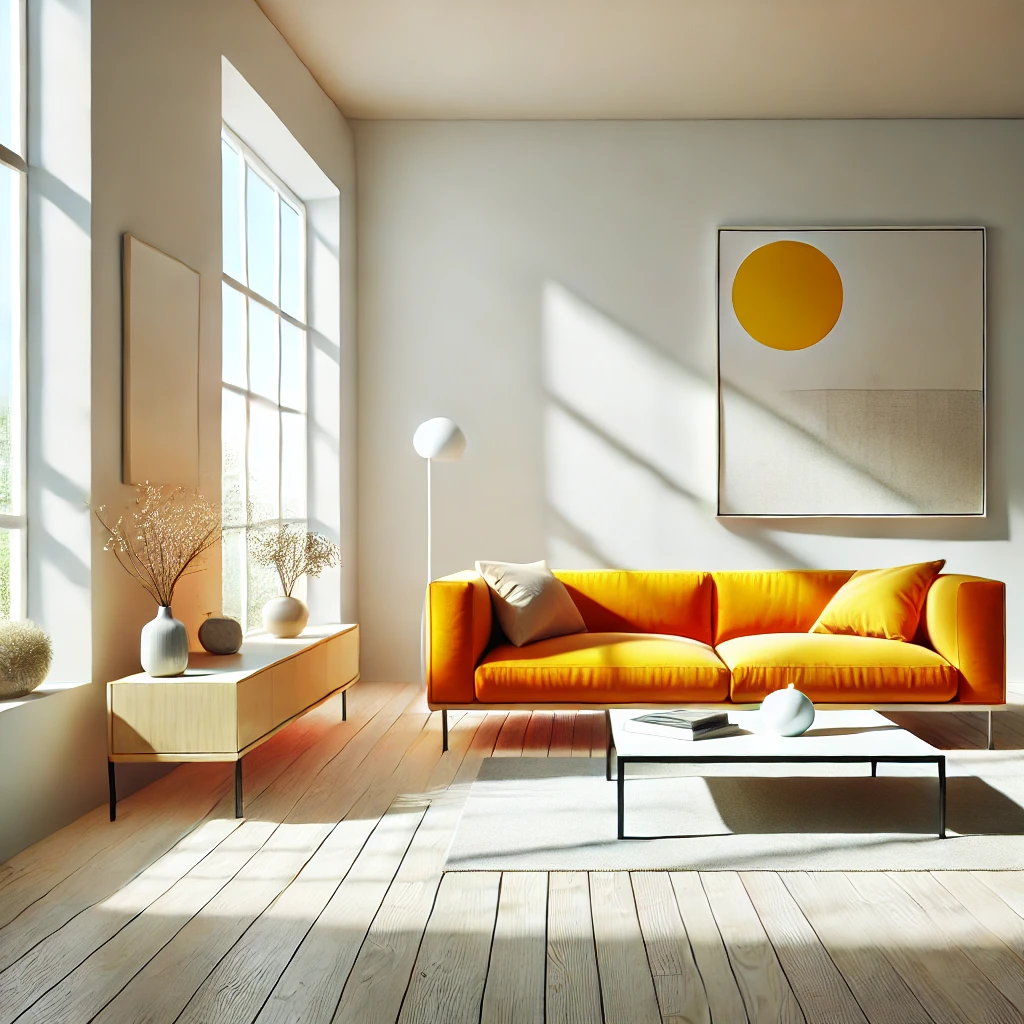
Bright colors like red, yellow, and orange bring yang energy, as do harder, shinier textures such as metal, glass, or polished wood. Yang suits active spaces like living rooms, kitchens, and workspaces.
Too much yang can feel restless or overstimulating. Grounding it with yin elements keeps a room energizing but calm.
How to Balance Yin and Yang at Home
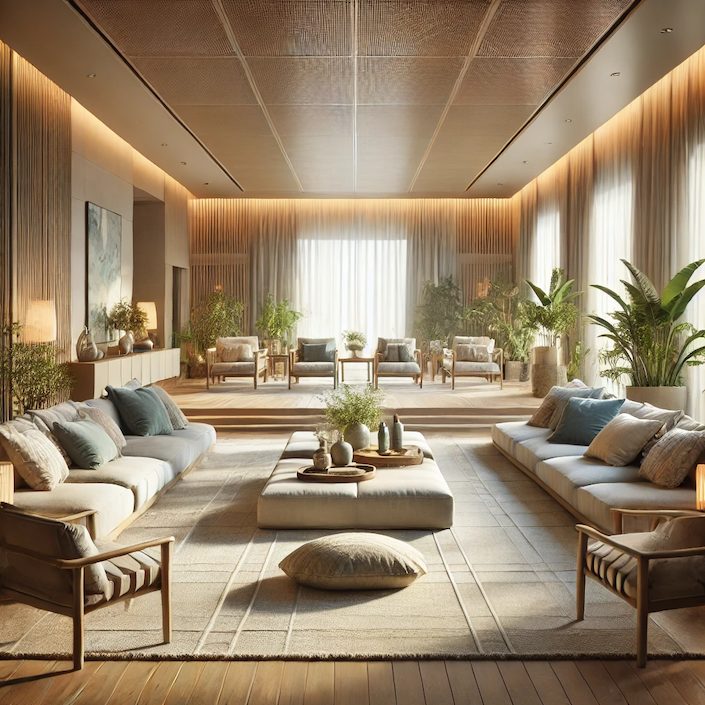
The real skill of feng shui lies in balancing yin and yang through color, light, and texture. In a living room, pair soft seating (yin) with bright windows and lively artwork (yang).
Start by assessing each room. If a space feels cold or stagnant, add yang with brighter light or warmer colors; if it feels chaotic, add yin with soft textures and dimmable lighting.
The Five Feng Shui Elements Explained
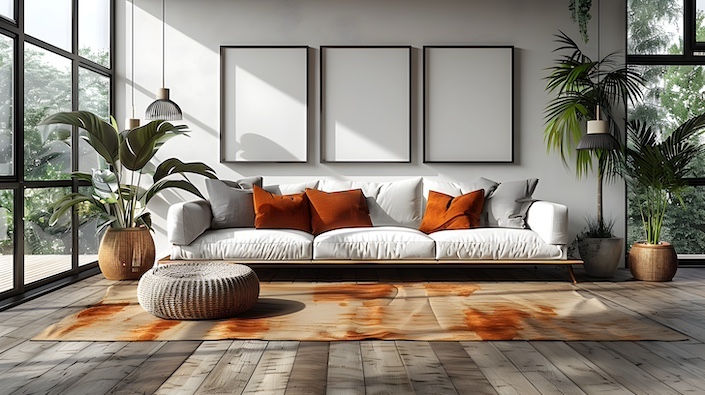
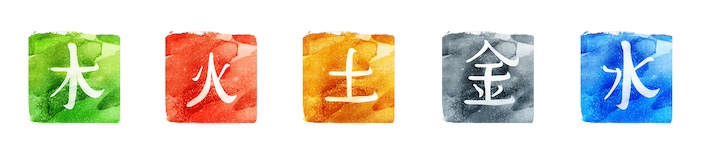
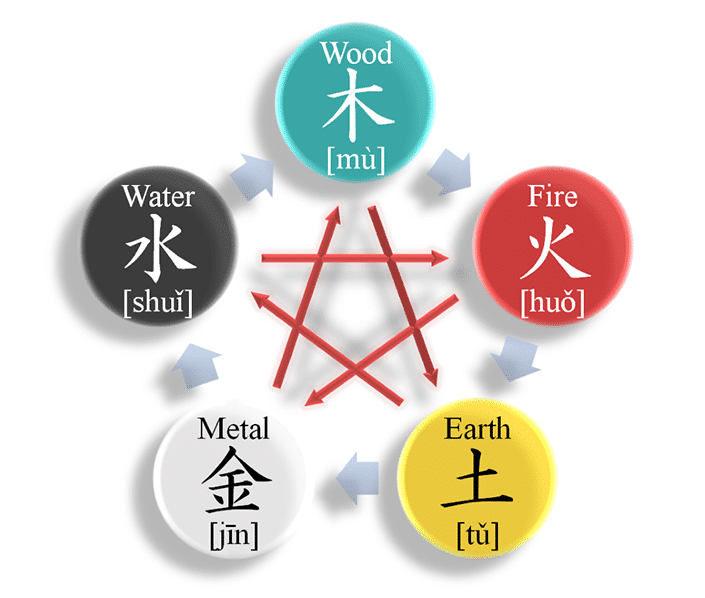
Feng shui works with five elements — wood, fire, earth, metal, and water — each carrying its own qualities, colors, and shapes. Including all five in your home helps keep energy balanced.
| Element | Qualities | Color | Shape |
|---|---|---|---|
| Wood (木 mù) | Growth and vitality | Green | Rectangular |
| Fire (火 huǒ) | Passion and transformation | Red | Triangular |
| Earth (土 tǔ) | Stability and nourishment | Yellow | Square |
| Metal (金 jīn) | Clarity and precision | White | Round |
| Water (水 shuǐ) | Flow and adaptability | Black | Wavy |
How to Use the Feng Shui Bagua Map
The bagua map (八卦图 bāguàtú) is an octagonal energy map made up of eight areas surrounding a center. It works as a grid you lay over a floor plan to design a space.
To use it, place the bagua map over your floor plan with its bottom edge aligned to the wall of your front door. This shows which life area each part of your home corresponds to.
Each area is linked to a color, an element, and a trigram. These trigrams are ancient symbols from the I Ching (Yijing), the Book of Changes, and the feng shui bagua uses the “Later Heaven” arrangement.
| Trigram | Direction | Element | Life area | Color | Symbol |
|---|---|---|---|---|---|
| 離 Lí | South | Fire | Fame & Reputation | Red | ☰︎ ☲ |
| 坤 Kūn | Southwest | Earth | Love & Partnerships | Pink | ☷ |
| 兌 Duì | West | Metal | Children & Creativity | White | ☱ |
| 乾 Qián | Northwest | Metal | Helpful People & Travel | Gray | ☰ |
| 坎 Kǎn | North | Water | Career & Life Path | Black | ☵ |
| 艮 Gèn | Northeast | Earth | Knowledge & Self-Cultivation | Dark Blue | ☶ |
| 震 Zhèn | East | Wood | Family & Health | Green | ☳ |
| 巽 Xùn | Southeast | Wood | Wealth & Abundance | Purple | ☴ |
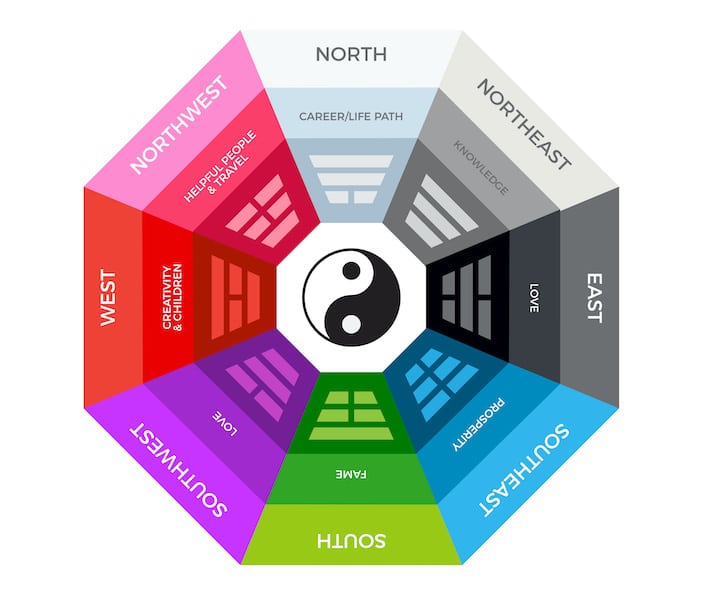
The eight areas plus the center give nine zones in total. One of the easiest feng shui changes is to “activate” an area by adding its color, shape, or element — for example, a healthy green plant in the east (family and health) zone.
03 How to Apply Feng Shui in Every Room of Your Home
Each room plays a different role in your well-being. By adjusting furniture, color, and natural elements room by room, you can support a healthy flow of chi throughout your home.
Feng Shui Tips for the Entryway
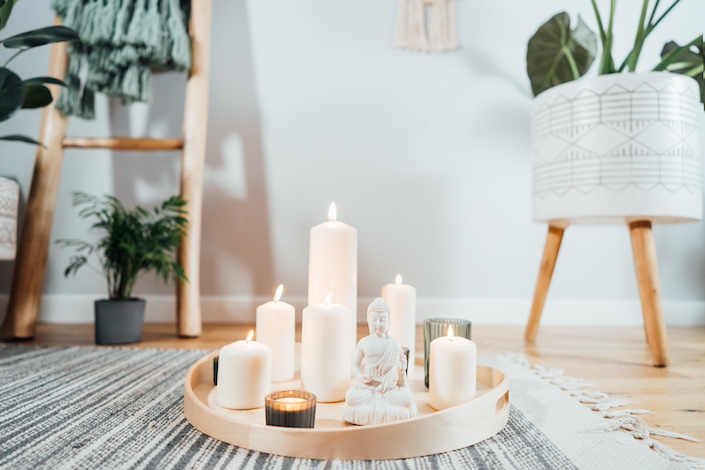
Your entrance is the gateway for chi and sets the tone for the whole home. Keep it clean, well-lit, and free of clutter to welcome positive energy.
Plants or a few bright colors near the door add to a warm, inviting atmosphere.
Feng Shui Living Room Ideas
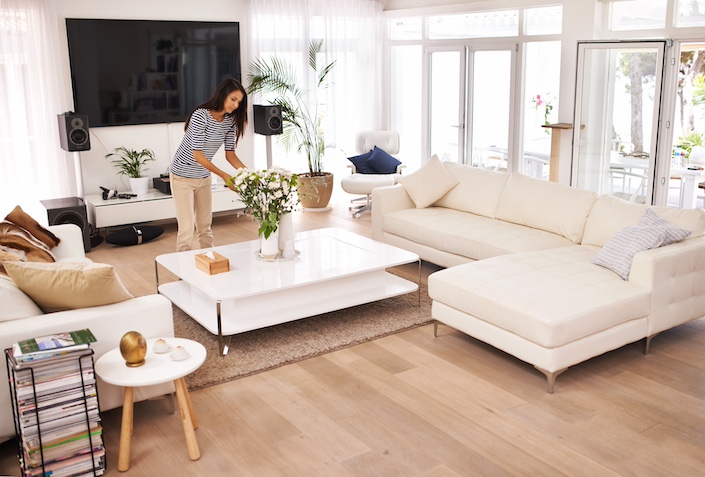
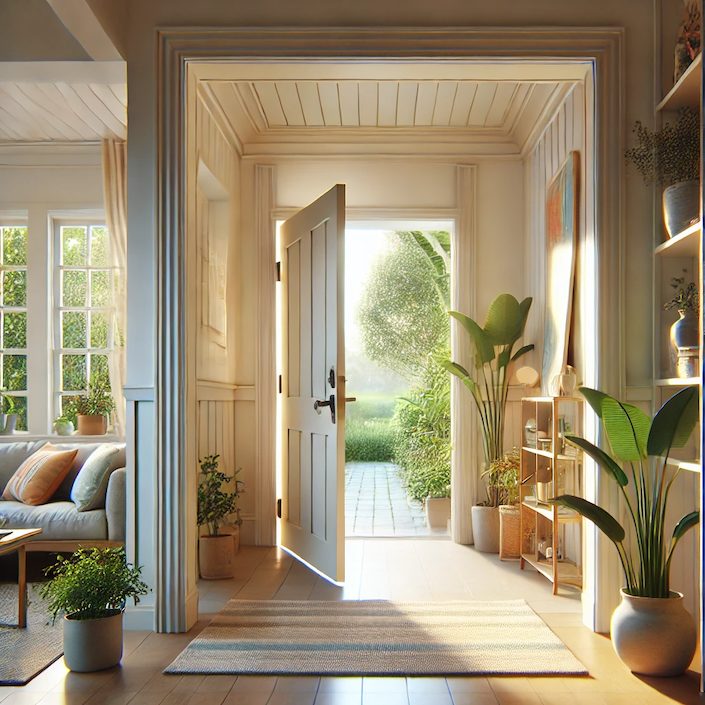
The living room is a place for gathering, so it should encourage comfort and connection. Arrange furniture for good light and clear pathways, and avoid blocking walkways.
Seating that faces inward invites conversation, while plants and soothing colors keep the energy balanced.
Feng Shui Kitchen Tips
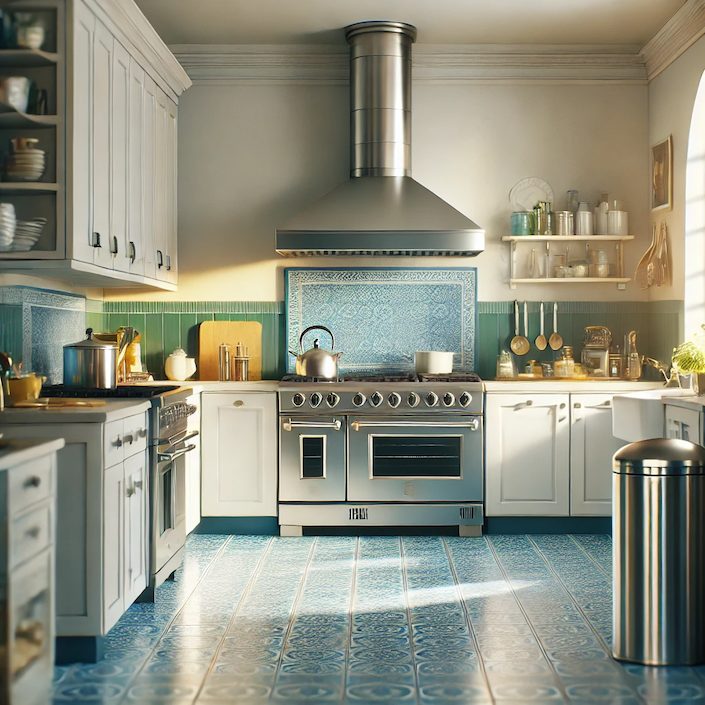
In feng shui, the kitchen represents nourishment and prosperity. Keep the stove clean and working well, since it symbolizes your ability to nourish your family.
Aim for good lighting and calming colors like blue and green. Keep the trash can away from the stove and food-prep areas so it does not disrupt the energy.
Feng Shui Bedroom Layout and Tips
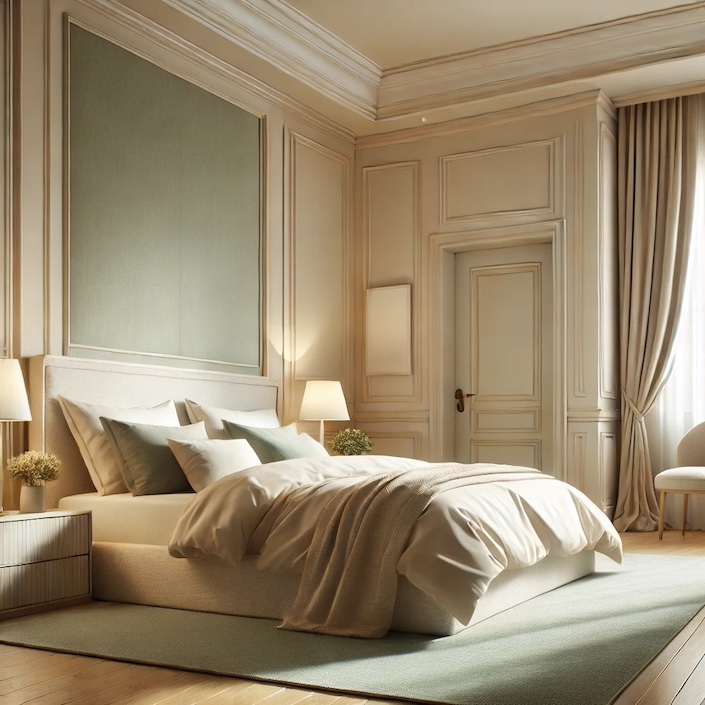
A bedroom should be a sanctuary for rest. Place the bed in the command position, where you can see the door without being directly in line with it.
Use soft, calming colors like blue or lavender to encourage relaxation. Avoid placing a mirror directly opposite the bed, as it can disrupt sleep.
Feng Shui Bathroom Tips
The bathroom represents cleansing, so keep it clean and clutter-free. Closing the toilet lid is a common tip for keeping energy from “draining” away.
Water-related colors like blue and black work well, paired with soft lighting. A plant can freshen the air and add a touch of nature.
Feng Shui Home Office Setup
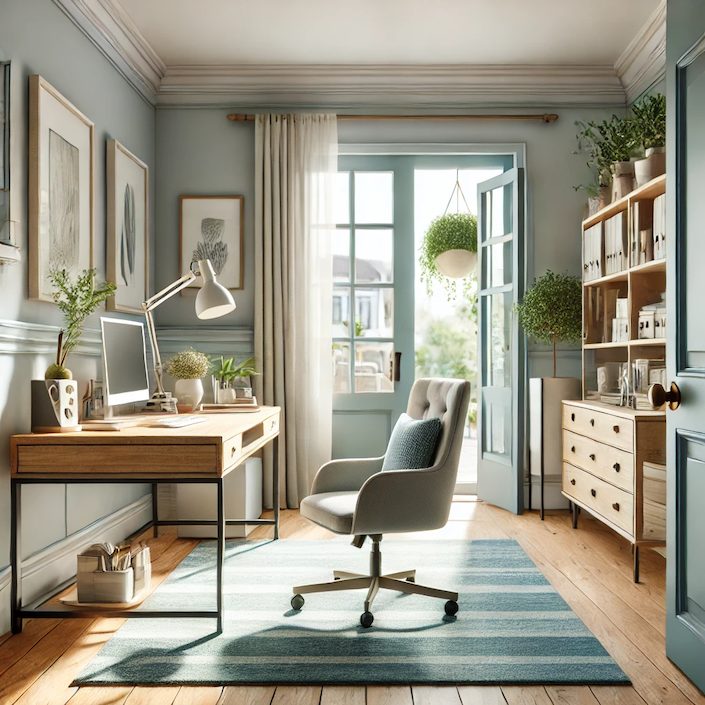
In a home office, position your desk so you can see the door, symbolizing control over your work. Keep the space organized to support clear thinking and focus.
Calming colors, good light, and a plant or two help encourage growth and productivity.
Study Chinese in Guilin or Start Online
CLI offers personalized Chinese instruction built around your goals. Join our Immersion Program in Guilin or begin from anywhere with a free Chinese lesson .
04 Feng Shui Dos and Don’ts
A few simple habits keep your home’s energy balanced. The lists below cover the most useful feng shui dos and don’ts.
Feng Shui Dos
- Declutter regularly: Clutter blocks chi and creates stagnant energy, so keep your space organized.
- Maximize natural light: Light promotes vitality and positive energy.
- Use feng shui symbols: Wind chimes, statues, or small water features can enhance specific areas.
- Balance the elements: Make sure all five elements are represented somewhere in your home.
Feng Shui Don’ts
- Avoid sharp corners: Hard angles create harsh energy, so favor rounded furniture where you can.
- Don’t keep broken objects: Broken items symbolize broken energy.
- Avoid harsh lighting: Use softer, calming light, especially in bedrooms and bathrooms.
- Don’t overuse mirrors: Too many mirrors can feel chaotic, particularly in restful rooms.
05 The History and Origins of Feng Shui
Feng shui is one of the world’s oldest continuing geographic traditions, with roots reaching back at least 3,000 years. Some scholars trace early forms even further, pointing to Neolithic grave alignments thousands of years older.
The term “feng shui” itself appears in The Book of Burial, an early text attributed to Guo Pu, which states that qi is dispersed by wind and held by water. The practice is closely tied to Daoism and to Chinese astrology and metaphysics.
Feng Shui and the Chinese Compass (Luopan)
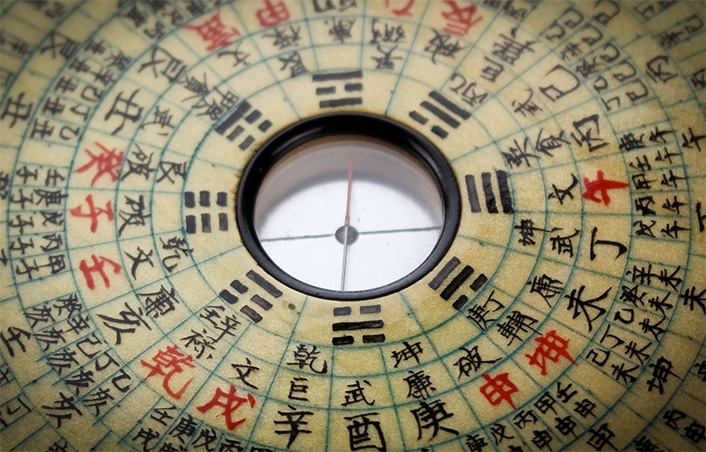
The Chinese long believed invisible forces operated all around them, later understood as the magnetic forces of the Earth. This insight contributed to one of history’s great inventions: the magnetic compass, or 罗盘 (luópán), also called the “feng shui compass.”
The compass was first used as a tool for divination before being adopted for navigation by the Song dynasty in the 11th century. Today, the traditional luopan is still used by feng shui practitioners to find the best placement for objects and buildings.
Feng Shui for Tombs and Burial Sites
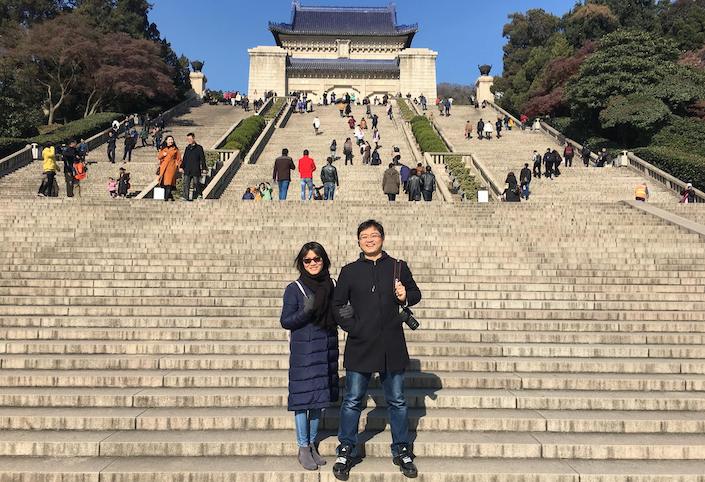
Some of the earliest uses of feng shui involved choosing ideal locations for burial sites, a practice that continues today. Many people believe the right grave location can bring blessings to descendants, while a poor one can bring misfortune.
A guiding principle is to “lean against mountains and face water,” so many tombs sit on or near mountains overlooking water. The Ming Xiaoling Mausoleum and the Sun Yat-sen Mausoleum, both in Nanjing, are well-known examples.
Feng Shui in Chinese Architecture
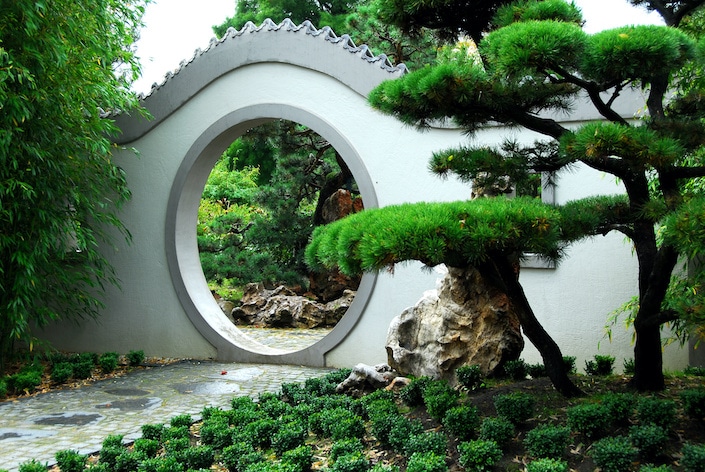
Feng shui has long guided the location and layout of buildings, gardens, and whole cities. Planners considered the surrounding land and the direction each structure and its windows would face.
The Forbidden City is a classic example, built on a north-south axis with its main entrance facing south — the direction feng shui masters considered most auspicious. Its symmetrical layout was designed to create a harmonious flow of qi.
The same thinking shaped outdoor spaces, including the classical Chinese gardens in Suzhou. Feng shui also connects to broader spiritual traditions explored in religion in ancient China.

06 Is Feng Shui Still Used Today?
Yes — feng shui remains popular both in China and around the world. Its influence shows up in homes, offices, and even the design of major landmarks.
Feng Shui in Modern China
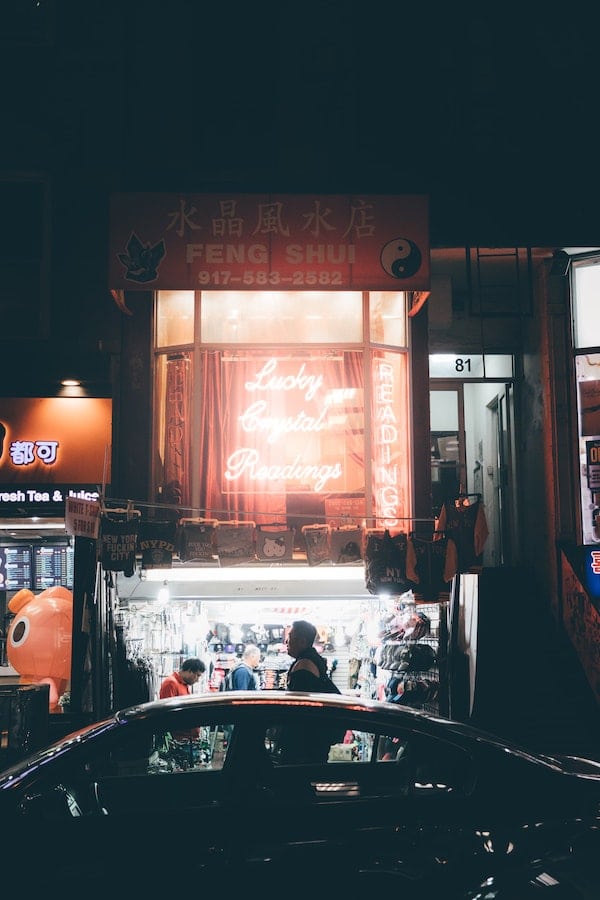
In China, feng shui still guides choices about the location of tombs and buildings, and it often informs interior design. These practices are especially common among older generations and remain part of everyday cultural life.
When buying or designing a home, many people weigh its direction and position with feng shui in mind. Some even hire a professional feng shui master (风水师傅 fēngshuǐ shīfu) for advice. This kind of symbolic thinking also appears in Chinese numerology.
Feng Shui Masters and Skyscrapers
For a new office building, a feng shui master might advise on the location, where to place the entrance and reception, and where the leadership should sit. The goal is to invite prosperous energy and smooth operations.
Some of the most famous modern examples are in Hong Kong, where feng shui shaped iconic buildings like the HSBC Building and the Bank of China Tower. You can see this influence in many of the city’s landmarks and even in symbolic motifs like Chinese dragons.

Feng Shui Outside China
Feng shui has steadily gained popularity beyond China for many years. For many people abroad, it now represents a clean, minimalist aesthetic as much as the movement of qi.
The rise of minimalism in the West has reinforced this interest. More people recognize how much their environment shapes their mood and sense of calm.
07 Feng Shui in Interior Design
Although feng shui was traditionally used for tombs and buildings, it also applies beautifully to interior design. Outside China, this use has become especially popular.
What Is the Command Position in Feng Shui?
The command position is the spot farthest from the door and not in direct line with it — roughly diagonal from the entrance, but still facing it. To set it up, place your most important furniture, such as a bed or desk, in this spot.
The position is both powerful and symbolic. Seeing the doorway without being directly in line with it gives you time to prepare for whatever “comes through the door.”
A Simple Feng Shui Bedroom Example
Imagine laying a bagua map over your floor plan and finding that a bedroom falls in the east (震 Zhèn) area. Since Zhèn is linked to the wood element and to blue and green, you might add green and blue accents.
You could also bring in woody touches, such as a bamboo plant or a wooden bed frame. Then place the bed in the command position, diagonally across from but facing the door.
08 Feng Shui Vocabulary in Chinese
These terms will help you follow feng shui references in articles, conversations, and traditional design discussions. Learning them is a natural fit if you are also working through a broader Chinese study plan.
| Chinese | Pinyin | Meaning |
|---|---|---|
| 风水 | Feng shui; literally “wind-water” | |
| 气 | Qi (chi); life-force energy | |
| 阴阳 | Yin and yang; complementary opposite forces | |
| 五行 | The five elements | |
| 八卦 | The eight trigrams; bagua | |
| 八卦图 | Bagua energy map | |
| 罗盘 | Feng shui compass (luopan) | |
| 风水师傅 | Feng shui master | |
| 和谐 | Harmony | |
| 吉 | Auspicious; lucky | |
| 命理 | Destiny analysis; fate and fortune |
09 Feng Shui FAQ
What is feng shui in simple terms?
Feng shui is the Chinese practice of arranging your space — furniture, color, light, and natural elements — to support a smooth flow of energy called chi. The aim is a home that feels balanced and supports your well-being.
What are the five elements of feng shui?
The five elements are wood, fire, earth, metal, and water. Each is linked to specific colors and shapes, and including all five helps keep a home’s energy balanced.
What is the command position in feng shui?
The command position is where you place key furniture, such as a bed or desk, so that you can see the door without being directly in line with it. It is usually diagonal from the entrance.
Where should my bed go according to feng shui?
Place your bed in the command position, where you can see the door but are not directly facing it. Avoid putting a mirror directly opposite the bed, and favor soft, calming colors.
Does feng shui really work?
Views differ, and many people approach feng shui as cultural tradition rather than proven science. Even so, its core habits — decluttering, good light, and thoughtful layout — tend to make spaces feel calmer and more comfortable.
10 Final Thoughts on Practicing Feng Shui
Practicing feng shui is about more than rearranging furniture. It is about creating a space that supports your physical, emotional, and mental well-being.
By understanding chi, yin and yang, the five elements, and the bagua map, you can shape a home that feels balanced and calm. Whether you are a believer or a curious skeptic, feng shui is a fun way to bring traditional Chinese culture into daily life.
11 Selected References
- Encyclopaedia Britannica: overview of feng shui, its “wind-water” meaning, Zhou-dynasty roots, and Daoist foundations. View source →
- Encyclopaedia Britannica: the Yijing (I Ching) and the eight trigrams (bagua) that underlie feng shui’s directional logic. View source →
- Stanford Encyclopedia of Philosophy: the Yijing and the Chinese philosophy of change. View source →
- Encyclopedia.com: historical background on feng shui and early grave alignments. View source →
- Note: Feng shui schools and interpretations vary. Treat specific placements as tradition and personal preference rather than fixed rules.